

Reducing your energy bills starts with a few simple changes. The most effective energy efficiency tips include switching to LED lighting, sealing drafts, improving insulation, maintaining HVAC systems, and using energy-efficient appliances. These updates can lower utility costs, improve comfort, and increase your home’s overall value.
Utility costs aren’t slowing down—and for many homeowners, they’re one of the most frustrating parts of monthly expenses. The good news: improving your home’s energy efficiency doesn’t have to mean a major renovation.
The most effective ways to improve energy efficiency include:
- Switching to LED lighting
- Sealing drafts and air leaks
- Improving insulation
- Maintaining heating and cooling systems
- Using energy-efficient appliances
A few simple updates can go a long way in reducing energy use, lowering your bills, and even improving your home’s overall value. From quick, low-cost fixes to more meaningful upgrades, here are practical energy efficiency tips to help you get started.
Easy Energy Efficiency Tips to Lower Your Bills
These small changes are simple to implement and can make an immediate difference in how much energy your home uses.
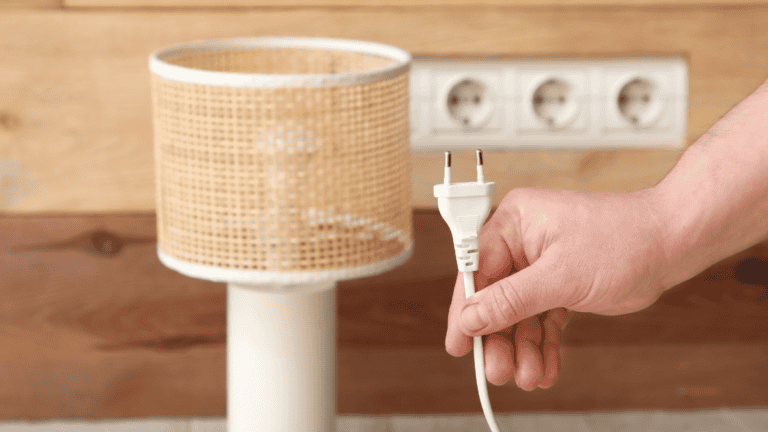
Unplug Devices to Lower Your Electric Bill
Even when turned off, electronics can still draw power. Chargers, small appliances, and devices quietly add to your energy use—so unplugging when possible helps cut back.
Switch to LED Lighting to Reduce Energy Costs
If you’re still using older bulbs, switching to LED lighting is one of the easiest wins. LEDs use significantly less energy, last longer, and are now the standard for efficient home lighting.
Seal Drafts to Keep Heating and Cooling Costs Down
Door sweeps and basic weatherstripping help keep conditioned air inside. It’s a small upgrade that can make a noticeable difference, especially in basements, entryways, and older homes.
Use Reusable Products to Cut Household Costs
Reducing reliance on single-use products cuts waste and lowers long-term costs. Simple swaps—like reusable dishware or cloth alternatives—add up over time.
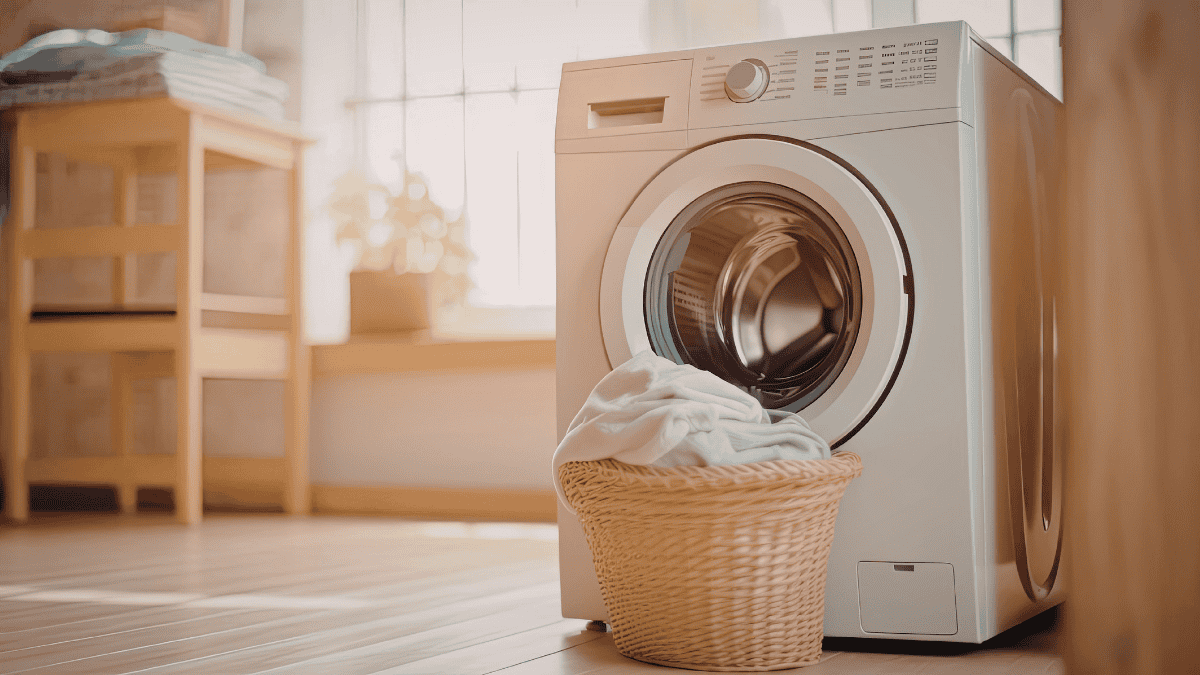
Wash Laundry in Cold Water to Save Energy
A large portion of the energy used in washing machines goes toward heating water. Switching to cold cycles is an easy way to reduce energy use without sacrificing performance.
High-Impact Energy Upgrades for Your Home
If you’re ready to take things a step further, these improvements can lead to more meaningful long-term savings.
Maintain Your HVAC System to Improve Efficiency
Regular tune-ups keep heating and cooling systems running efficiently. A well-maintained system uses less energy and helps avoid costly repairs down the line.
Choose ENERGY STAR® Systems for Lower Energy Use
When replacing window units or installing a mini-split system, look for ENERGY STAR® certified heating and cooling systems. These are designed to reduce energy use while keeping your home comfortable.
Upgrade Insulation to Reduce Heating and Cooling Costs
Air leaks are one of the biggest sources of wasted energy. Proper insulation—especially in attics and around windows and doors—can significantly reduce heating and cooling costs.
Replace Old Appliances to Save Energy
Older refrigerators, freezers, and appliances tend to use far more energy than newer models. Upgrading can lead to noticeable long-term savings.
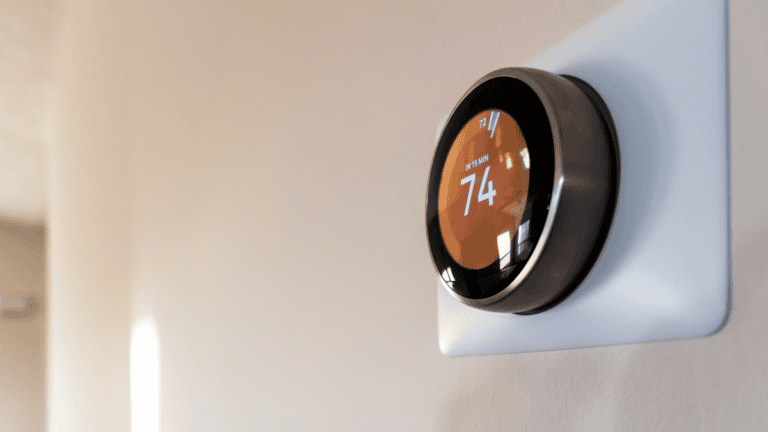
Use a Smart Thermostat to Reduce Energy Use
Smart thermostats automatically adjust temperatures based on your schedule, helping reduce unnecessary energy use—especially when you’re not home.
Energy Rebates and Programs in Massachusetts
For homeowners in Massachusetts, there are valuable programs that can make energy upgrades more accessible.
Programs like Mass Save® offer free home energy assessments and rebates for improvements like insulation, HVAC systems, and energy-efficient appliances. It’s one of the easiest ways to identify where your home may be losing energy and what upgrades make the most sense.
Cape Cod homeowners can also explore Cape Light Compact energy efficiency programs and rebates, which provide additional incentives for reducing energy use across the region.
For broader guidance, the U.S. Department of Energy also offers helpful energy-saving tips for homeowners.
Taking advantage of these programs can significantly offset upfront costs while improving long-term efficiency.
Why Energy Efficiency Adds Value to Your Home
Beyond monthly savings, energy-efficient homes are simply more comfortable—offering better temperature consistency, improved air quality, and lower operating costs.
They’re also increasingly appealing to buyers. Thoughtful upgrades like insulation, efficient systems, and smart thermostats can help a home stand out and add value when it’s time to sell.
If you’re considering improvements, it’s worth focusing on the updates that not only reduce energy use but also enhance your home’s overall appeal.
Energy Efficiency FAQs
How can I reduce my energy bills at home?
The easiest way to reduce energy bills is by combining small daily habits with a few key upgrades. Simple changes like switching to LED lighting, unplugging unused devices, sealing drafts, and using cold water for laundry can make an immediate difference. Over time, improvements like better insulation, efficient appliances, and smart thermostats can lead to more meaningful long-term savings.
What uses the most energy in a home?
Heating and cooling systems typically account for the largest portion of a home’s energy use, especially in regions with seasonal temperature swings like Massachusetts. Water heating, lighting, and major appliances like refrigerators and dryers also contribute significantly to overall energy consumption.
What are the most effective energy-efficient home upgrades?
Some of the most effective upgrades include improving insulation, sealing air leaks, upgrading HVAC systems, and replacing older appliances with energy-efficient models. These changes not only reduce energy use but can also improve overall comfort and long-term home value.
Are there programs to help pay for energy-efficient upgrades?
Yes—Massachusetts homeowners can take advantage of programs like Mass Save®, which offers free energy assessments, rebates, and incentives for improvements such as insulation, heating systems, and appliances. Cape Light Compact also provides additional programs and rebates for Cape Cod residents.
Brighten Your Home for Spring: 5 Simple Ways to Let in More Light