
As the days shorten and the air turns crisp, it’s the perfect time to focus on fall home maintenance. Coastal Massachusetts winters bring nor’easters, freezing temperatures, and salt-laden winds, and a few projects now can protect your investment, lower your energy costs, and keep small issues from becoming expensive repairs.
Here’s a fall home maintenance checklist for homeowners from Cape Cod and the South Coast to Boston and its nearby suburbs. Whether you live here year-round, own a seasonal getaway, or plan to sell in the spring, these tasks can help you prepare.
Your Fall Home Maintenance Checklist
1. Start at the Top: Roof, Gutters, and Downspouts
Your roof and drainage system take the brunt of wind-driven rain and early-season storms.
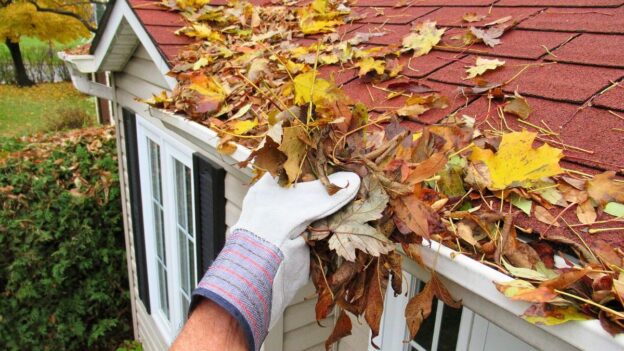
- Clean gutters and downspouts after most leaves have fallen, then check them again before freezing weather. Clogged gutters send water where it doesn’t belong and can set the stage for ice dams.
- Check downspout extensions so water discharges several feet from the foundation.
- Inspect your roof from the ground; look for loose, curled, or missing shingles, and for signs of damage around chimneys, skylights, and vents. Coastal winds can loosen roofing materials over time, so have a professional inspect any areas of concern.
- Look for moss and algae growth, which are common in damp coastal climates. Moss can trap moisture and damage shingles, while algae often leaves dark stains.
2. Seal Out Moisture and Drafts, Then Check the Exterior
Gaps around your home’s exterior let in cold air and moisture, and you pay for it in higher heating bills. Start by sealing those openings, then check the finishes and structures that protect your home from the weather.
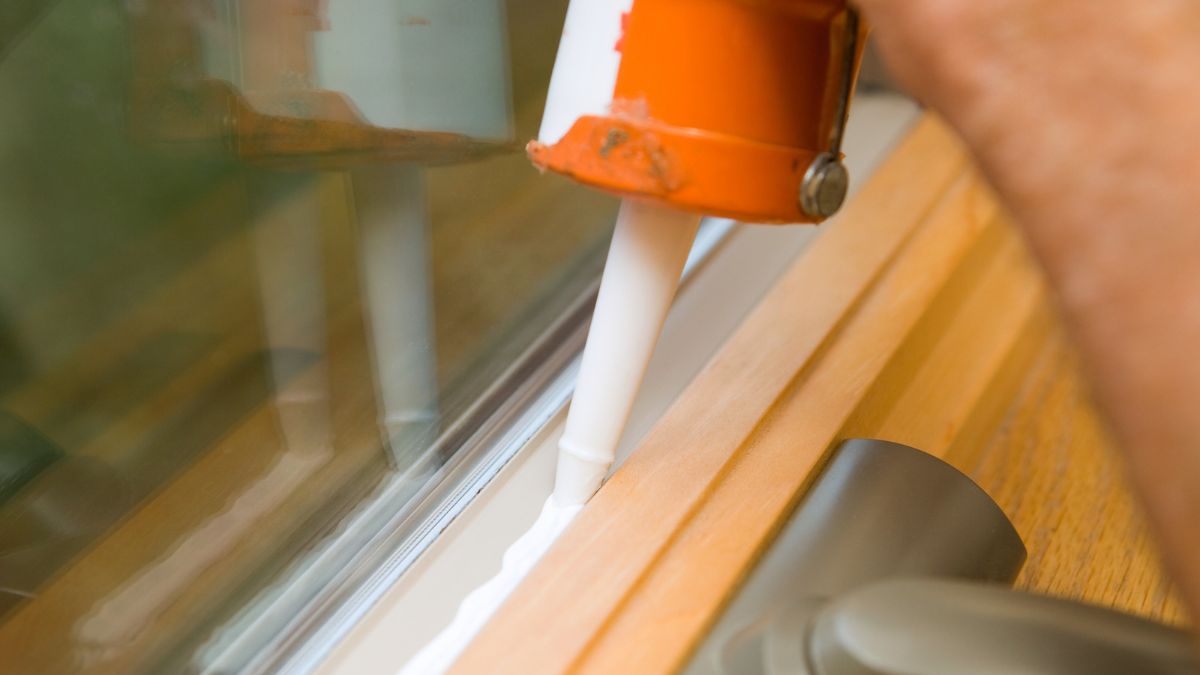
- Check caulking and weatherstripping around windows, doors, and where different building materials meet. Mass Save provides weatherization guidance on air sealing and insulation improvements.
- Test garage doors and entry doors for tight seals and smooth operation. Add door sweeps or replace worn seals if you can see daylight at the bottom.
- If your home has storm windows, lower or install the glass panels and make sure they close and seal properly.
- Seal gaps where utilities enter the home, such as around pipes, vents, and cables.
- Inspect exterior trim and siding for peeling paint, cracks, or soft spots. Salt air and moisture can break down finishes faster than you’d expect.
- Examine decks, railings, and stairs for loose fasteners, rot, or corrosion. Use stainless or coated hardware where possible, since standard metal fasteners rust quickly near the coast.
3. Service Your Systems Before You Need Them
Heating systems last longer and run better with regular maintenance, not just emergency repairs on a freezing night.
- Schedule annual service for your furnace, boiler, heat pump, or mini-splits. A tune-up can improve efficiency and help catch worn parts early.
- Replace HVAC filters to keep air moving efficiently and reduce strain on your system.
- Run a dehumidifier in basements and crawl spaces, where lingering summer humidity can encourage mold.
- Bleed hot-water radiators if they’re cold at the top or making gurgling noises.
- Check oil or propane levels, if applicable, and schedule a delivery before the first cold snap.
- Have chimneys and fireplaces inspected and cleaned before the first fire. It’s as much a safety issue as a maintenance one.
- Shut off and drain outdoor faucets, disconnect hoses, and insulate exposed pipes in unheated areas.
- Know where your main water shutoff is, especially if you leave a seasonal home unoccupied for months at a time.
4. Take Care of the Landscape
Your yard affects drainage, pest pressure, and how well your home handles storms.
- Trim branches that hang over the roof or driveway. For trees near power lines, contact your utility or a qualified tree professional instead of trying to do it yourself.
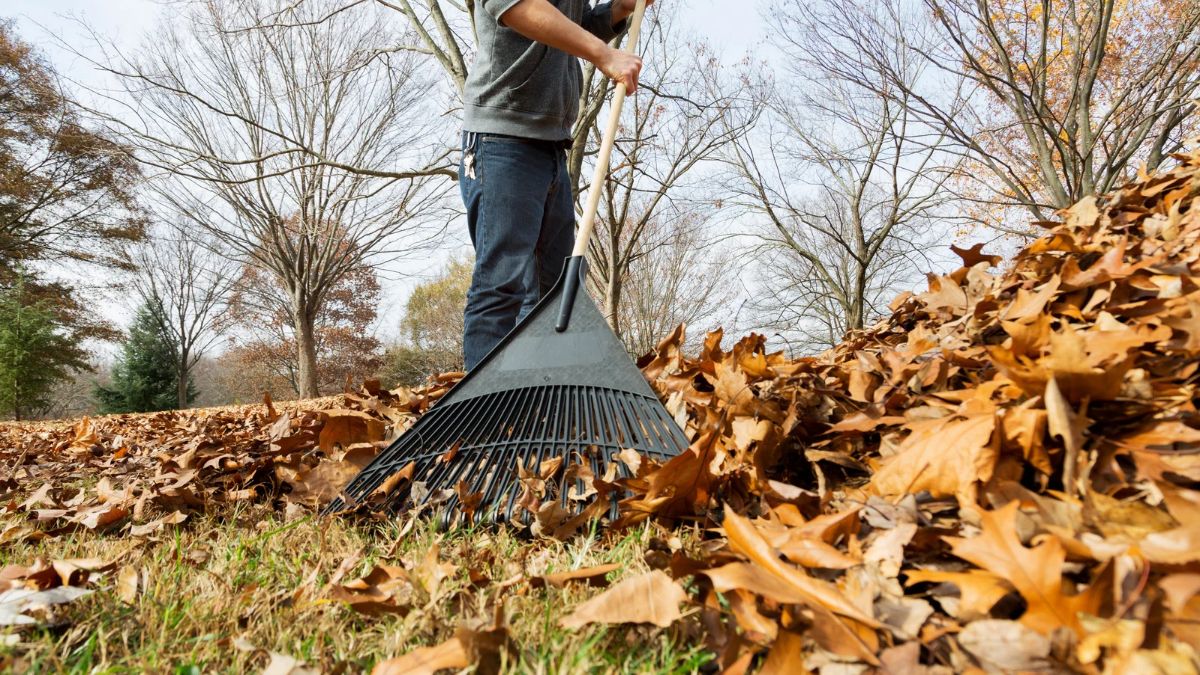
- Rake leaves and clear debris from lawns, beds, and the area around the foundation, where wet leaves trap moisture and invite rot and pests.
- Check grading and drainage so the ground slopes away from the house. Low spots can quietly cause foundation and basement problems.
- Plant spring-flowering bulbs while the soil is workable, and consider salt-tolerant native plants that can handle coastal conditions.
- Secure or store patio furniture, grills, planters, kayaks, and anything else a strong storm could send flying.
- Winterize your irrigation system before the first hard freeze. Have a professional blow out the lines to prevent damage.
5. Safety and Storm Readiness
As windows close and heating systems kick on, these checks matter more.
- Test smoke and carbon monoxide alarms, and replace batteries where needed. Massachusetts fire-safety guidance says smoke alarms generally need replacing after 10 years; carbon monoxide alarms should be replaced per the manufacturer’s instructions, often after 5, 7, or 10 years.
- Check fire extinguishers and make sure everyone in the household knows where they are.
- Build a storm kit with flashlights, batteries, water, and a phone charger, then make a plan for power outages. Coastal storms can knock out electricity for days.
- Review your insurance coverage, including wind and storm protection. Flood damage generally requires separate flood insurance, an important consideration for coastal properties.
- If you have a generator, check that it’s ready before winter storms arrive. Follow CDC generator safety guidance: operate portable generators outdoors, at least 20 feet from the home, with exhaust directed away from windows and doors.
6. Check Indoor Moisture, Insulation, and Vents
Interior upkeep protects value too, and it’s easy to overlook.
- Look for signs of moisture such as water stains, peeling paint, or a persistent damp smell, especially in basements, attics, and bathrooms.
- Inspect attic ventilation and insulation. Good airflow and proper insulation reduce energy costs and help prevent ice dams.
- Check under sinks and around appliances for slow leaks, and replace aging supply lines before they fail.
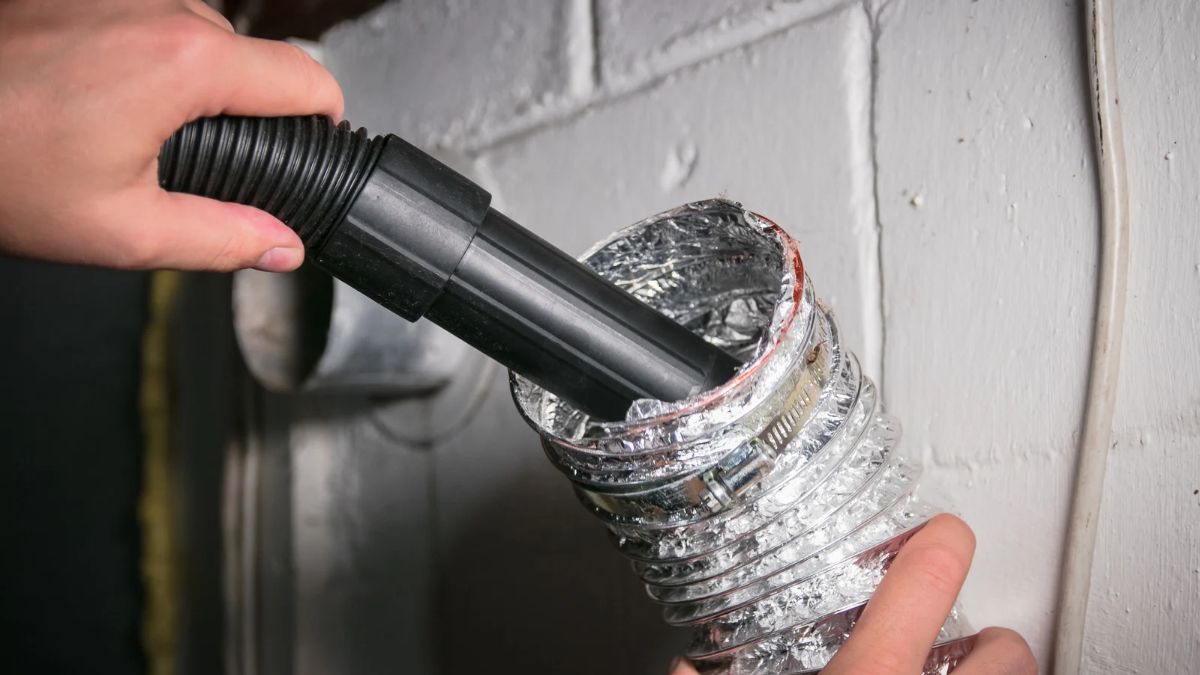
- Clean dryer vents to reduce fire risk and help your dryer run efficiently.
- Reverse ceiling fans to push warm air down, and keep the damper closed on fireplaces you aren’t using.
7. Prepare a Seasonal or Second Home for Winter
If you close up a summer place for the colder months, a little extra planning goes a long way.
- Arrange for regular check-ins from a trusted property manager or neighbor.
- Keep the thermostat set to at least 55°F to prevent frozen pipes. If the home will be empty for an extended period, consider having a professional shut off and drain the plumbing system.
- Install remote temperature and water-leak sensors so you’re alerted right away if the heat fails or a pipe starts leaking.
- Check your homeowner’s policy for vacancy or unoccupancy provisions. Some policies limit coverage when a home sits empty for an extended period, so confirm what yours requires.
- Secure windows and doors, and put valuables out of sight.
- Clear the refrigerator and pantry to avoid pests and odors.
Why Fall Home Maintenance Matters When It’s Time to Sell
Buyers notice how a home has been cared for. A well-maintained property makes a stronger first impression and may raise fewer concerns during an inspection. Keep records of service visits, repairs, and upgrades so you can show buyers how the home has been maintained.
If you’re thinking about a spring listing, fall is the ideal time to take care of repairs, so you’re not racing the market once the weather warms. Even if a sale is years away, steady upkeep preserves the value you’ve built and keeps your home comfortable and safe through the colder months.
For more ways to care for your home throughout the seasons, explore our late-summer maintenance tips and winter home maintenance guide.
Questions About Your Home or Your Next Move?
Whether you’re keeping up with seasonal maintenance, weighing improvements, or preparing to sell, it helps to know which projects buyers actually notice.
At Berkshire Hathaway HomeServices Robert Paul Properties, our real estate professionals understand coastal Massachusetts homes and communities. We can help you decide which improvements make sense for your home and local market.