
Originally published December 7, 2016. Updated September 2026.
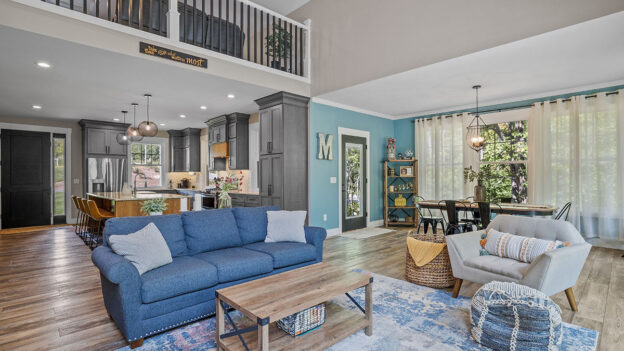
A turnkey home is a property that its new owner can move into without major repairs, renovations, or immediate updates. It should be clean, well-maintained, and fully usable, with no unfinished work demanding attention.
In some markets, especially those with vacation or second homes, “turnkey” may also describe a property offered with furnishings or household items. However, furniture and personal property are not automatically included. Buyers and sellers should confirm exactly what will remain with the home.
What Does Turnkey Mean in Real Estate?
In real estate, turnkey generally describes a home that a buyer can begin enjoying right away. Its kitchen and bathrooms are functional, its major systems are operating, and buyers should not face an obvious to-do list before settling in.
Turnkey and move-in ready are often used interchangeably. However, neither term has one fixed meaning that applies to every property. One listing might use turnkey to describe a recently renovated home. Another might use it for a well-maintained home with older but fully functional finishes.
Therefore, buyers should consider the property’s actual condition, not the description alone. A turnkey label is not a guarantee that every feature is new or that future maintenance will never be needed.
What Does a Turnkey Home Usually Include?
While every home is different, buyers generally expect a turnkey property to have:
- Working plumbing, electrical, heating, and other installed systems
- A functional kitchen and bathrooms
- Finished walls, ceilings, and flooring
- Secure doors and working windows
- Clean, usable rooms
- No major unfinished repairs or renovation projects
- Well-maintained interior and exterior spaces
Appliances, furniture, window treatments, and household contents may or may not be included. The listing details and purchase agreement should identify what stays with the property.
For sellers, creating a turnkey impression does not necessarily require a complete renovation. Instead, concentrate on condition, consistency, and the improvements buyers will notice most.
5 Tips for Creating a Turnkey Home
1. Take Care of Repairs and Deferred Maintenance
Start with the items that affect how safely and reliably the home functions. Repair leaks, loose railings, damaged screens, sticking doors, and other visible problems. Also, service major systems when needed and gather available maintenance records.
Small defects can leave buyers wondering whether larger problems are hidden elsewhere. Addressing them early helps the home feel cared for and reduces distractions during showings.
Depending on the property, a pre-listing inspection may also be worth discussing with your real estate agent. It is not required, but it may help identify issues a seller wants to address before listing. The National Association of REALTORS® offers additional guidance on preparing a home for sale.
However, a seller’s inspection does not replace a buyer’s own due diligence. Buyers should still evaluate the property and make informed decisions about inspections.
2. Make the Kitchen Feel Fresh and Functional
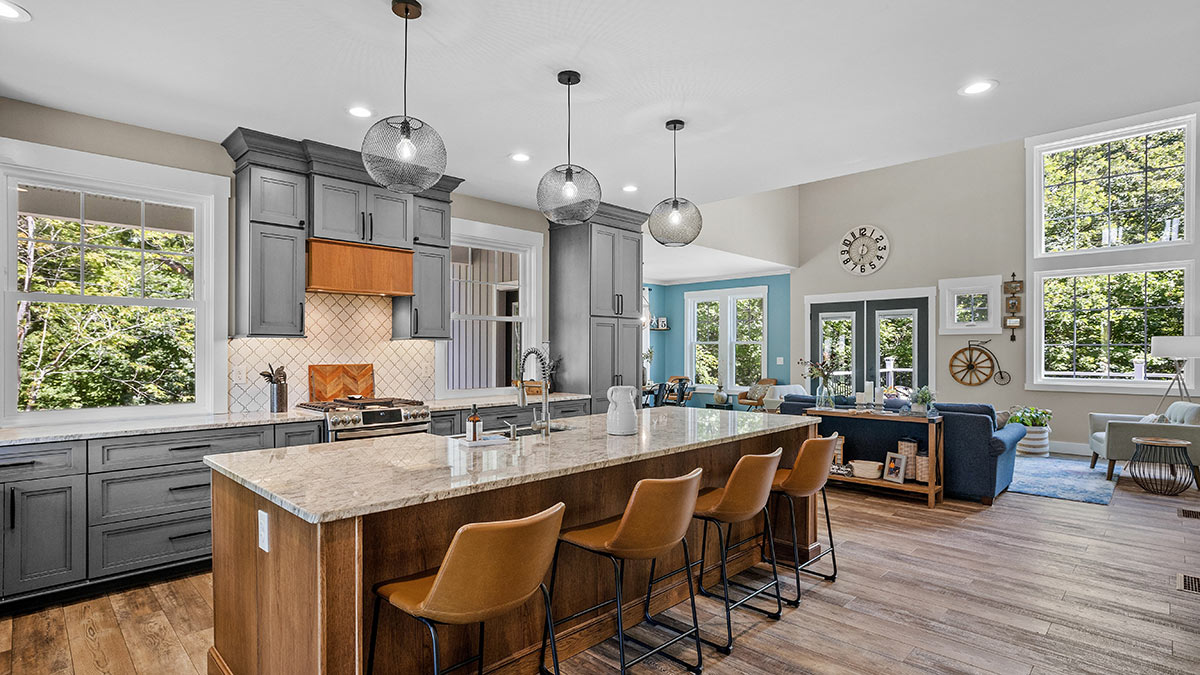
The kitchen does not need to be brand new to feel move-in ready. First, make sure appliances, faucets, cabinets, drawers, and lighting work properly. Then thoroughly clean counters, appliances, grout, and other surfaces.
Simple changes can give the room a more consistent appearance. Fresh paint, updated hardware, new caulk, or improved lighting may be enough. In contrast, a major remodel may not make sense shortly before selling.
Clear excess items from counters and organize visible storage. This helps buyers focus on the room’s workspace, storage, and everyday function.
3. Give Every Space a Clear Purpose
Buyers should be able to understand each space at a glance. Giving a room or area a recognizable purpose can help, even if that purpose changes over time.
For example, an unused corner might become a compact reading area. A spare bedroom can suggest a home office without losing its value as guest space. Likewise, a finished lower level may accommodate several activities while still feeling orderly.
Avoid filling rooms with too much furniture. Instead, create clear walking paths and let the home’s natural light and architectural details stand out.
Today’s buyers often appreciate rooms that can adapt as their needs change. See more ideas in Homes That Do More: Why Flexible Living Spaces Matter.
4. Refresh the Finishes Buyers Notice First
Worn or inconsistent finishes can make an otherwise well-maintained home feel like a project. Walk through each room and look at the details a buyer will see immediately.
Touch up chipped trim, replace burnt-out bulbs, and repair damaged flooring where practical. In addition, consider whether dated or highly personalized paint colors distract from the home itself.
Updates do not have to make every room look identical. Still, finishes should feel clean, intentional, and appropriate for the home’s style.
Use care when working in an older property. Homes built before 1978 may contain lead-based paint, so review the EPA’s lead-safe renovation guidance before sanding, cutting, or disturbing painted surfaces.
5. Make the Home Feel Ready From Day One
Finally, attend to the details that shape a buyer’s first impression.
Deep-clean the interior, including windows, floors, appliances, and often-overlooked corners. Organize closets and storage areas so buyers can see their capacity. Outside, clear walkways, trim overgrown landscaping, and take care of seasonal maintenance.

Remove leftover building materials and finish small projects whenever possible. A missing switch plate, half-painted room, or uninstalled fixture can make buyers think more work awaits them.
If certain furnishings or household items will be included, identify them clearly. Likewise, remove anything that could cause confusion about what remains after closing.
Does Turnkey Mean Furnished?
Not necessarily. A turnkey home may be furnished, particularly in a vacation or second-home market. However, the term more commonly refers to the home’s condition and readiness for occupancy.
Furniture, artwork, linens, kitchen contents, and other personal property require separate consideration. Buyers should never assume those items are included unless the listing or purchase agreement says so.
Does a Turnkey Home Still Need an Inspection?
Yes. A home described as turnkey can still have defects or future maintenance needs. Therefore, buyers should not treat the term as a substitute for an inspection or other appropriate due diligence.
In Massachusetts, sellers and their agents may not condition acceptance of an offer on a buyer waiving, limiting, or restricting a home inspection for covered residential properties. Buyers should review the state’s guidance on residential home inspections and discuss their contract terms with their agent and attorney.
Creating a Home That Feels Ready for Its Next Owner
A turnkey presentation comes from preparation and consistency, not perfection. Sellers should begin with necessary repairs and maintenance. Then they can decide which cosmetic improvements will make the property feel polished, comfortable, and inviting.
Before committing to costly renovations, speak with a real estate professional who understands your local market. The most worthwhile preparation can vary by property, price range, and location. Our Berkshire Hathaway HomeServices Robert Paul Properties agents help sellers across Cape Cod, Greater Boston, and the South Coast decide where to focus before listing.