
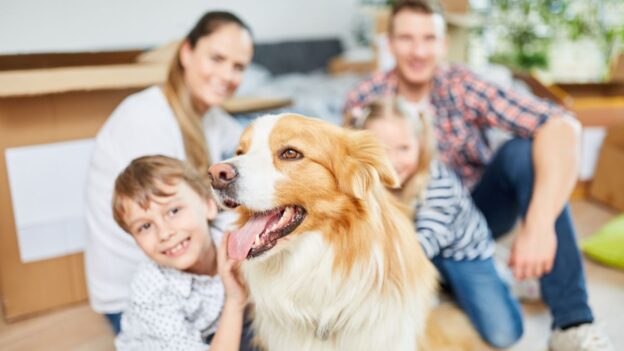
Dogs have a way of making themselves at home pretty quickly. Whether you’re moving with a longtime companion or welcoming a new puppy, a few thoughtful updates can make the transition easier.
From a cozy spot to curl up to floors that can handle muddy paws, creating a dog-friendly home doesn’t mean sacrificing style. Here are eight simple ways to make your new space safe, comfortable, and enjoyable for both you and your pup.
1. Help Your Dog Settle Into the New Home
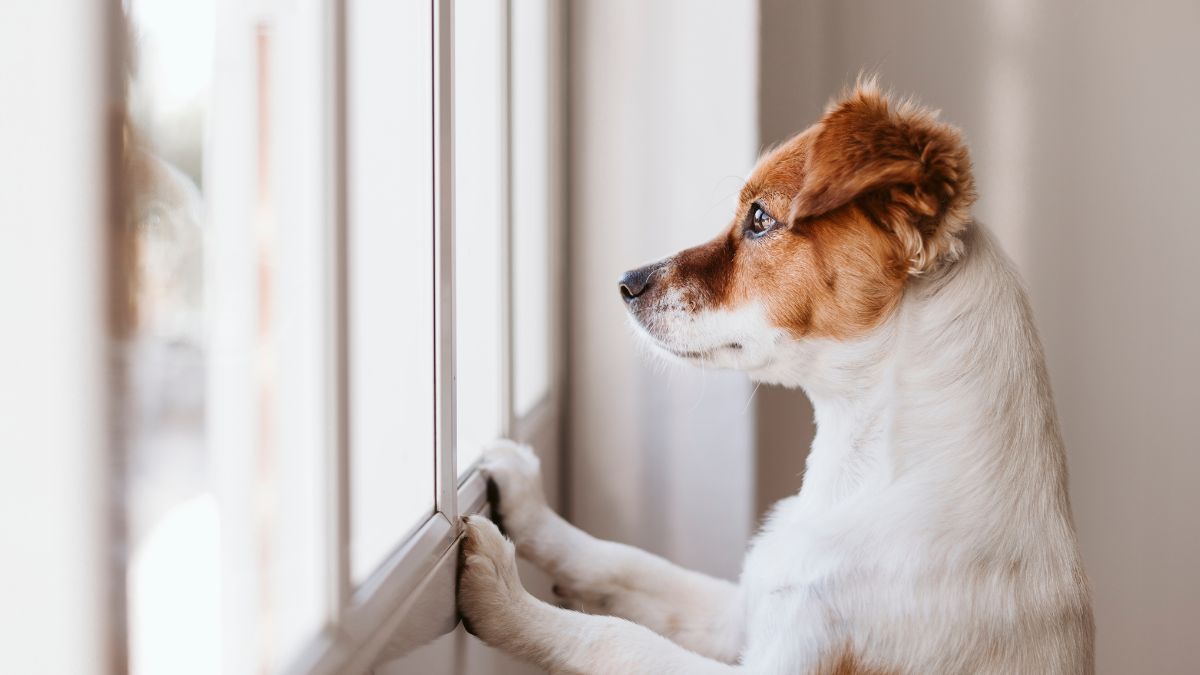
A move can feel unfamiliar to your dog, even when the rest of the family is nearby. Familiar belongings and a predictable routine can help them adjust.
Start by setting up your dog’s bed, bowls, toys, and other essentials as soon as possible. Then, try to maintain their usual schedule for meals, walks, playtime, and bedtime.
- Introduce the new home gradually rather than opening every room at once.
- Keep familiar blankets, beds, and toys nearby.
- Show your dog where to find food, water, and the appropriate outdoor area.
- Maintain regular mealtimes, walks, and bathroom breaks.
- Give your dog a quiet place to retreat from unpacking and activity.
2. Dog-Proof Your Home for Safety
Dogs are naturally curious. Therefore, almost anything in a new home can become something to sniff, chew, or investigate.
Before giving your pup full access, walk through each room from their perspective. Look for loose cords, unstable objects, accessible chemicals, and other potential hazards.
- Keep medications, household chemicals, toxic plants, and small objects out of reach.
- Secure electrical cords and other items your dog could chew.
- Use baby gates to limit access to stairs or rooms when needed.
- Check windows, doors, and screens to make sure they are secure.
- Follow label directions for cleaning products and keep your dog away from treated areas until they are dry.
- Check the home regularly for new hazards as your dog explores or develops new habits.
The ASPCA maintains a helpful list of plants that are toxic and non-toxic to dogs.
3. Choose Dog-Friendly Furniture, Floors, and Decor
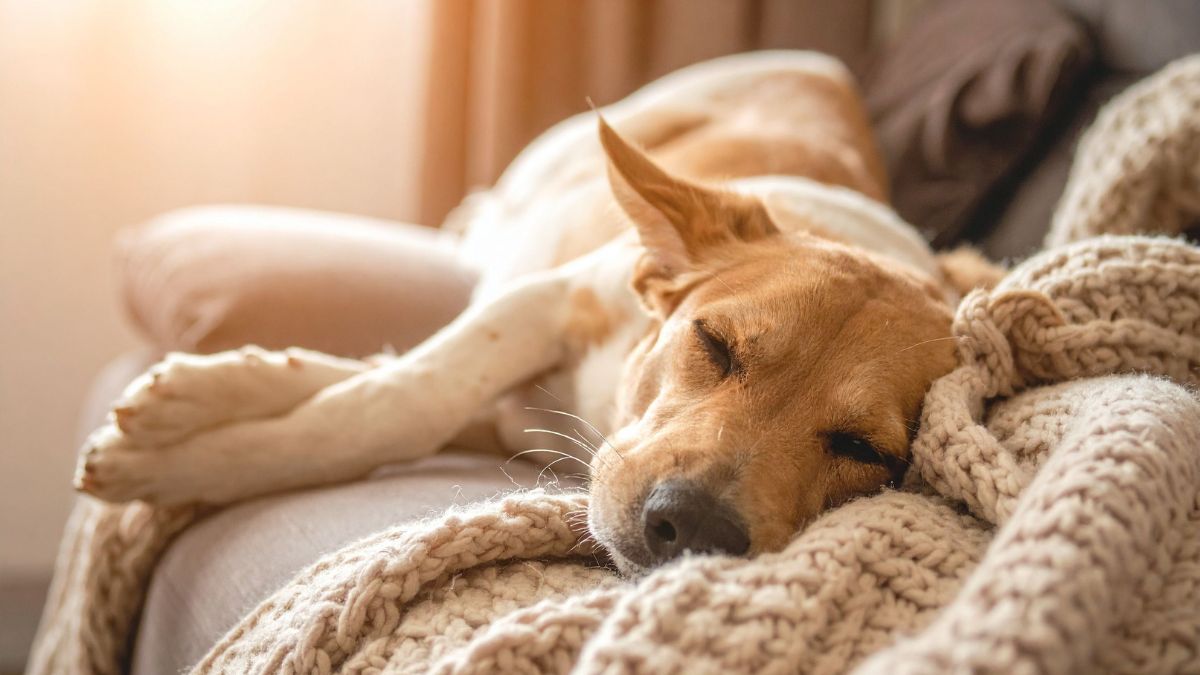
Between muddy paws, shedding, scratching, and the occasional zoomie, dogs can put a home’s finishes to the test. Fortunately, practical materials can still look polished and inviting.
- Use washable throws or slipcovers if your dog is allowed on the furniture.
- Place washable rugs in high-traffic areas to protect floors and improve traction.
- Choose durable, easy-to-clean fabrics and flooring when possible.
- Keep delicate or breakable decor out of reach.
- Use baskets, cabinets, or drawers to organize toys.
- Place washable mats near entrances to catch dirt and moisture.
Establishing furniture rules early can also help your dog understand which areas are off-limits.
4. Create a Comfortable Sleeping Spot
A designated place to relax can help your dog feel more at home. Whether it’s a simple bed in the corner or a dedicated space, choose an area where they can enjoy some quiet time.
- Provide a comfortable bed or crate that fits your dog’s size.
- Choose a spot away from heavy foot traffic.
- Keep a favorite blanket or toy nearby for familiarity.
- If your dog uses a crate, keep it comfortable and positive.
Ideally, the sleeping spot should feel connected to the household without being in the middle of its busiest activity.
5. Set Up a Food and Water Station
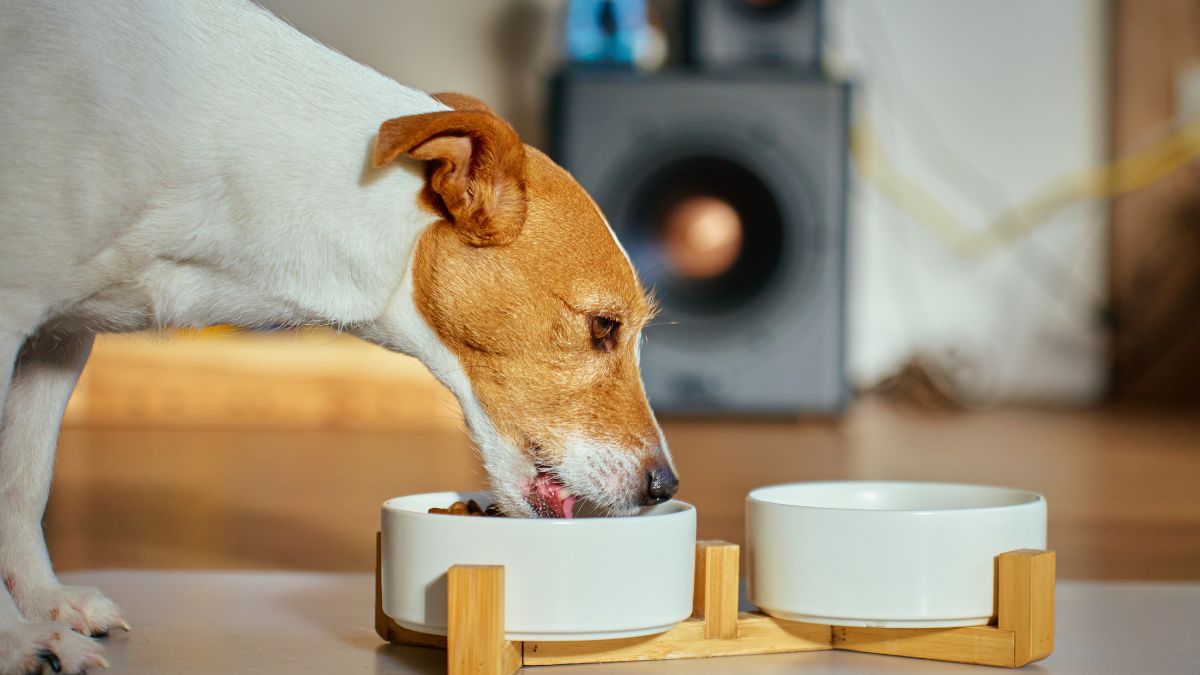
A designated feeding area can make mealtimes easier while keeping the rest of your home more organized.
- Place food and water bowls in an easy-to-clean area.
- Use a waterproof mat underneath the bowls to protect floors.
- Choose bowls that are appropriately sized for your dog.
- Provide fresh, clean water throughout the day.
- Store food in a secure container to preserve freshness and discourage curious pets.
- Clean water and dry-food bowls daily.
The CDC recommends cleaning water and dry-food bowls every day. Clean bowls used for wet food after each use.
6. Make the Outdoor Space Dog-Friendly
A yard can become one of your dog’s favorite places to play, explore, and relax. However, it’s important to inspect the entire space before letting your dog roam freely.
- Check fences and gates for gaps, loose boards, and possible escape routes.
- Choose plants carefully and avoid varieties that are harmful to dogs.
- Provide shade and fresh water during warmer weather.
- Create a comfortable outdoor resting spot.
- Store fertilizers, pesticides, and other lawn products safely.
- Use all garden and lawn products according to their labels.
Also, watch for plants, wildlife, or seasonal hazards that may be common in your new neighborhood.
7. Create a Grooming and Cleanup Station
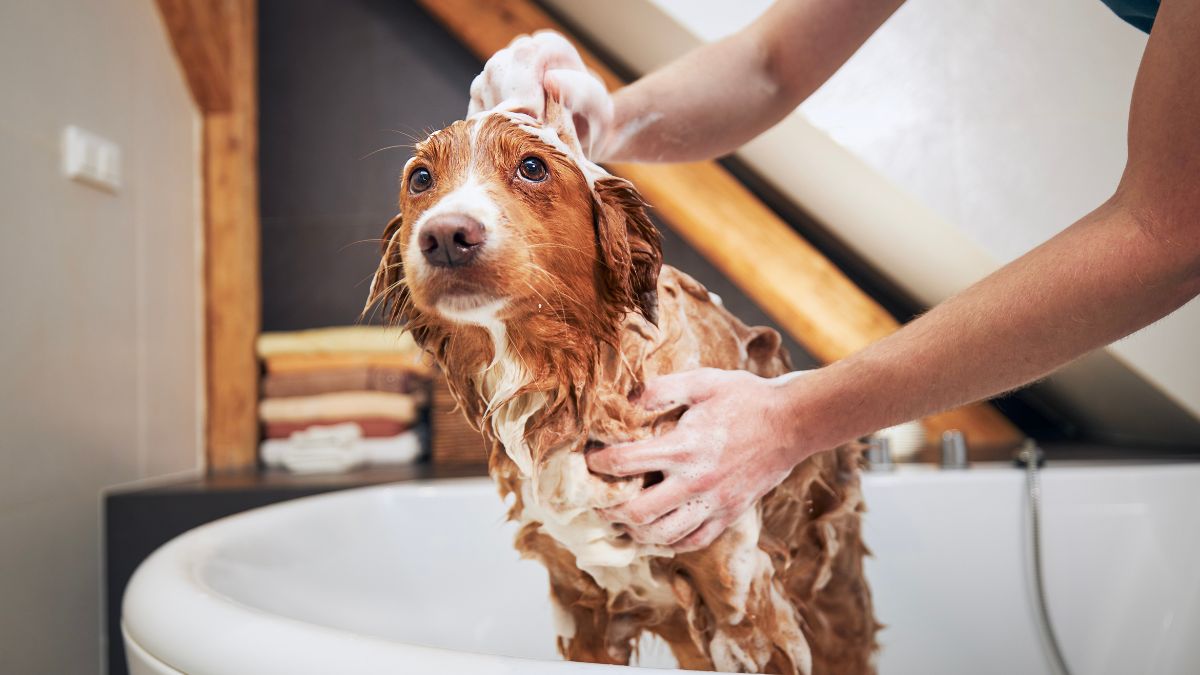
A designated grooming area can make brushing, bathing, and muddy-paw cleanup much easier. It can also keep loose hair and dirt from traveling through the rest of the house.
- Store brushes, nail clippers, towels, and grooming supplies together.
- Choose an easy-to-clean area for brushing or bathing.
- Keep absorbent towels near the door for quick cleanups after walks.
- Add a basket or hook for leashes, waste bags, and outdoor accessories.
- Brush your dog regularly to help manage shedding.
8. Update Your Dog’s Records and Find Local Care
A dog-friendly home is about more than the physical space. When you move, take a few minutes to update the information that could help reunite you with your dog if they become lost.
- Update the address and phone number connected to your dog’s microchip.
- Check that collar tags contain current contact information.
- Keep vaccination and medical records somewhere accessible.
- Save your veterinarian’s contact information.
- Find the nearest emergency veterinary hospital.
- Ask your veterinarian about local pests and preventive care.
The American Veterinary Medical Association specifically recommends updating microchip contact information after a move.
A Home for Every Member of the Family
Creating a dog-friendly home doesn’t require major renovations or a change in personal style. A few thoughtful choices can make everyday life safer, more comfortable, and more enjoyable for your pup.
Whether your dog loves lounging on the couch, playing in the yard, or following you from room to room, the best setup is one that fits their needs and works for your household, too.
Once your pup has settled in, explore some of the best dog parks on Cape Cod, the South Coast, and in Boston. And if a new home is still on the horizon, you can explore homes across coastal Massachusetts.