

There’s a particular moment many homeowners recognize, even if they haven’t put words to it yet. You’re sitting somewhere you’ve sat a thousand times — at the kitchen table, in the backyard, in a bedroom that’s been empty for two years — and something feels slightly off. Not wrong, exactly. Just not quite right anymore.
It’s a quiet feeling, easy to dismiss. But it tends to come back.
The home you’re living in made sense when you bought it. It fit the life you were living at the time — the space you needed, the location that worked, the neighborhood that felt right. The question worth asking, honestly, is whether it still does.
Lives Change. Homes Don’t.

Most of us move into a home during a particular chapter: newly married, starting a family, settling into a career, planting roots in a community. The home fits that chapter well. But chapters end, and new ones begin, and the home that worked beautifully for one version of your life can start to feel like it belongs to a version that no longer exists.
For some, the shift is obvious — a family that has outgrown its space, an empty nest, a job change that made the commute irrelevant and a home office essential. For others it’s quieter: a neighborhood that changed, a yard that became an obligation, a floor plan that no longer fits, stairs that deserve more thought at 65 than they did at 45.
There’s also the pull in the other direction — the life that has become possible rather than the one that has moved on. Sometimes that means a different neighborhood, a different town, a different pace entirely. A community that offers something your current one doesn’t — more space, less upkeep, a different kind of energy. The move that felt abstract at 40 feels very specific at 55.
None of these are small things. Taken together, they’re the texture of a life that may have moved on from its physical surroundings.
Signs Your Home May No Longer Fit
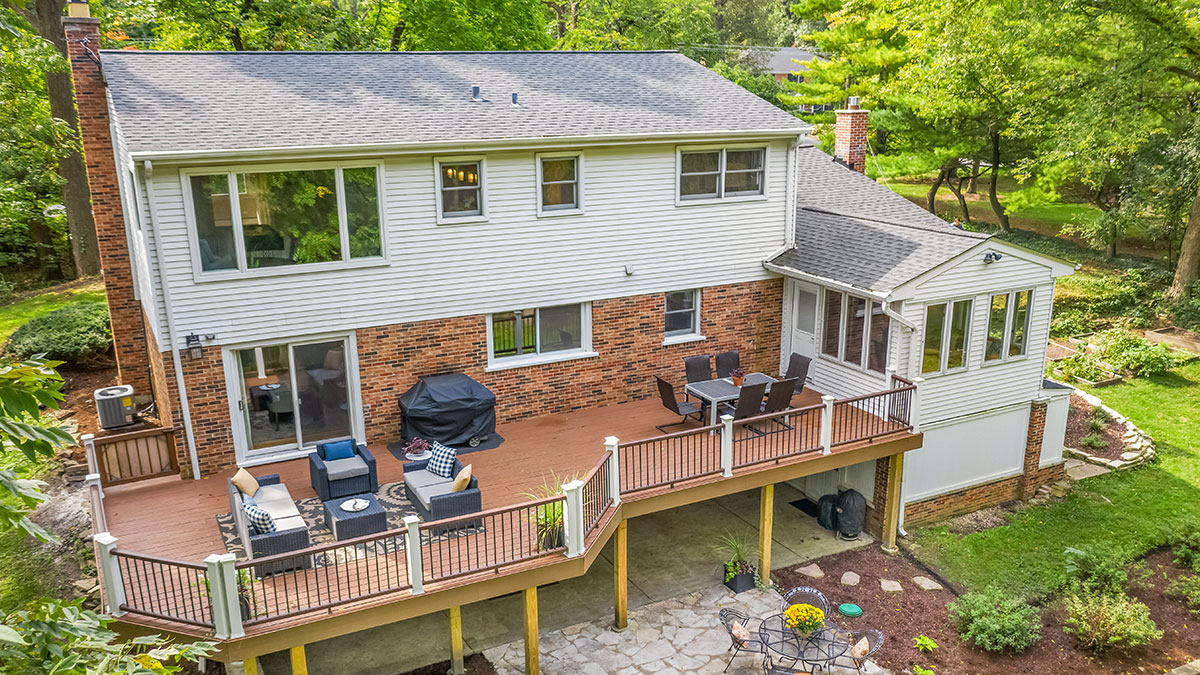
There’s a difference between wanting to move and knowing you need to. There’s a version of this conversation that’s straightforward: the family that needs four bedrooms when it now has two, or the retiree who can no longer manage the upkeep of a home that was built for a different season of life. The numbers make the decision relatively obvious.
But most people don’t find themselves in that version. Most find themselves somewhere in between — aware that something doesn’t quite fit, but uncertain whether that feeling is enough to act on. They wonder if they’re being impractical, if the market timing is wrong, or if the feeling will pass on its own.
Sometimes the signs are practical — a space that’s too large or too small, maintenance that has become more of a burden than a benefit, a location that no longer supports how you work or live. Other times, the signal is quieter: unused rooms, a layout that no longer works for you, or a persistent pull toward a different pace or community. Either way, the question is the same: whether your home is still serving your life as well as it could. Homeowners who ask it honestly tend to find that clarity follows, one way or another.
Before You Decide, Understand Your Home’s Value and Equity
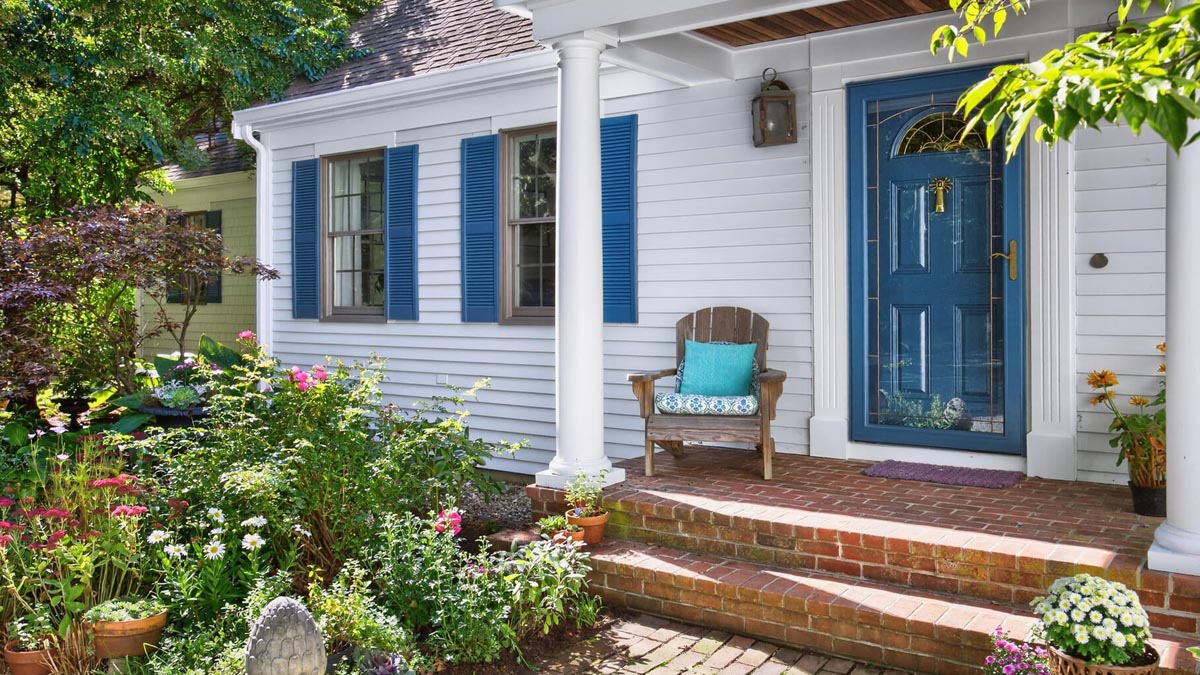
The most useful first step may not be making a decision. It may simply be understanding what you’re actually working with.
That means knowing what your home is actually worth in today’s market — not what you paid or what an automated estimate guesses, but a grounded picture based on recent comparable sales and current buyer demand. And understanding what your equity could realistically make possible for your next move.
Those two pieces of information are the foundation of every good decision that follows. Whether you’re ready to act soon or simply beginning to wonder what might be possible, knowing your position changes the conversation — and usually, it changes it in your favor.
If you’re beginning to think through your next step, these two resources are a good place to start: How to Estimate Your Home’s Value in Today’s Market and Home Equity: The Key to Your Real Estate Dreams. Together, they can help you understand what your home may be worth today and what your equity could make possible.
If you’d rather talk it through directly, a Berkshire Hathaway HomeServices Robert Paul Properties agent can help you look at both pieces clearly — no pressure, no obligation, just a grounded conversation about where you stand and what your options may look like from here.