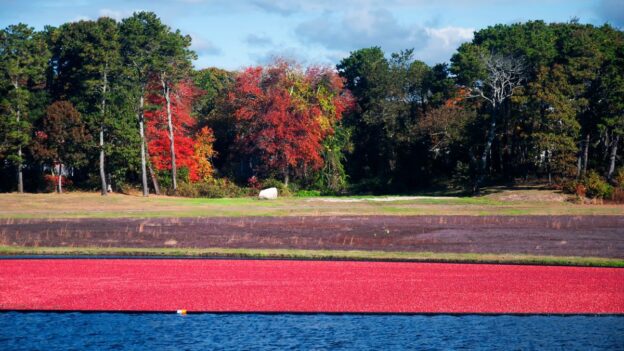
Cranberry season on Cape Cod is a fall tradition worth experiencing. You might catch sight of bright red berries floating across a flooded bog or stop at a farm stand for fresh cranberries to bring home. Whether you’re hoping to watch a harvest, meet a local grower, or make cranberry sauce for Thanksgiving, here’s where to begin.
Harvest timing · Farms to visit · How harvesting works · Cranberry history
When Is Cranberry Harvest Season on Cape Cod?
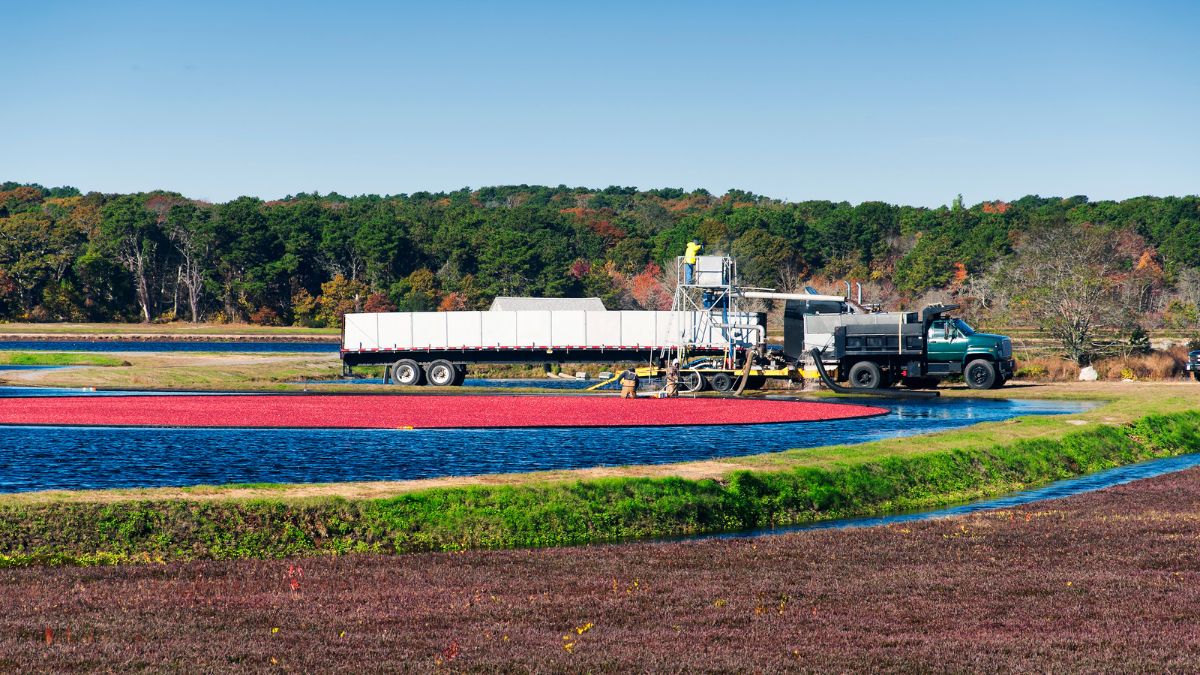
Cranberry harvest season on Cape Cod generally runs from mid-September through early November, with much of the activity taking place in October. The exact timing depends on the weather, the ripeness of the berries, and each grower’s schedule.
If you’re hoping to see a bog full of floating red berries, ask the farm when it expects to wet harvest. A guided tour may take place before the bog is flooded or after the berries have been gathered. Either way, you can still see the vines and learn how the crop grows.
Where to See Cranberry Bogs on Cape Cod
A grower-led tour is a good choice if you’re curious about what happens on a working bog. If you’re planning a Thanksgiving menu, a seasonal farm stand might be just the stop you’re looking for. Here are four Cape Cod farms to explore.
Cape Cod Cranberry Bog Tours
Cape Cod Cranberry Bog Tours offers guided walks at working farms in East Sandwich, West Barnstable, and Chatham. An experienced grower leads the tours, which last about an hour. What you’ll see depends on the season. The vines blossom in early summer, berries ripen over the following months, and harvest begins in the fall.
Tours require an advance reservation. Contact the grower at least 24 hours ahead to ask about availability and confirm which farm you’ll visit.
Plan a visit with Cape Cod Cranberry Bog Tours
Stay Fresh Cranberry Farm in West Yarmouth
Along Route 28 in West Yarmouth, Stay Fresh Cranberry Farm may be familiar to longtime visitors by its former name, Fresh from the Vine. This family farm grows heirloom cranberries and has welcomed visitors to watch the wet harvest. Its seasonal stand is also a place to pick up fresh berries for your holiday table.
Check Stay Fresh Cranberry Farm’s harvest and farm stand updates
Hall’s Cape Cod Cranberries in North Harwich
At Hall’s Cape Cod Cranberries, eight generations of the same family have grown cranberries. On a guided walk, you can meet the growers, see the working bogs, and hear how cranberry farming has changed over the years.
The farm sits at the Depot Street crossing of the Cape Cod Rail Trail, making it a natural stop if you’re exploring Harwich by bike. Contact the family to arrange a tour or ask whether your visit might coincide with the harvest.
Explore bog tours at Hall’s Cape Cod Cranberries
Annie’s Crannies in Dennis
At Annie’s Crannies, the fresh berries sold in the farm shop are picked dry, while part of the crop is wet harvested. That makes this Dennis farm a good place to learn why growers use both methods.
Annie leads seasonal tours that cover everything from cranberry vines and antique sorting equipment to the bees she keeps. When the gift shop is open, you can bring home fresh berries, bogside honey, or a jar of jam.
Check tour and gift shop dates at Annie’s Crannies
Before you go: Cranberry bogs are working farms, and some are private. Follow posted signs, stay in designated visitor areas, and leave the harvesting to the growers.
What Happens During a Cranberry Harvest?
Cranberries grow on low vines close to the ground. So how do the berries end up floating across a bog? It depends on which of the two harvesting methods the grower uses.
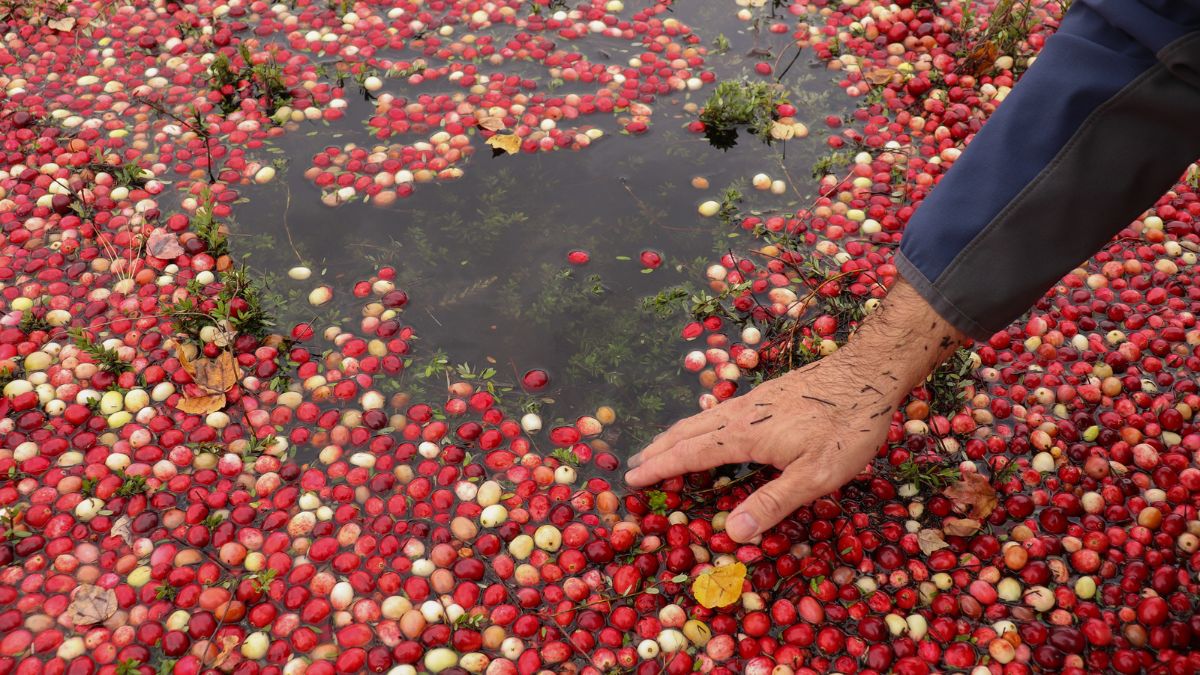
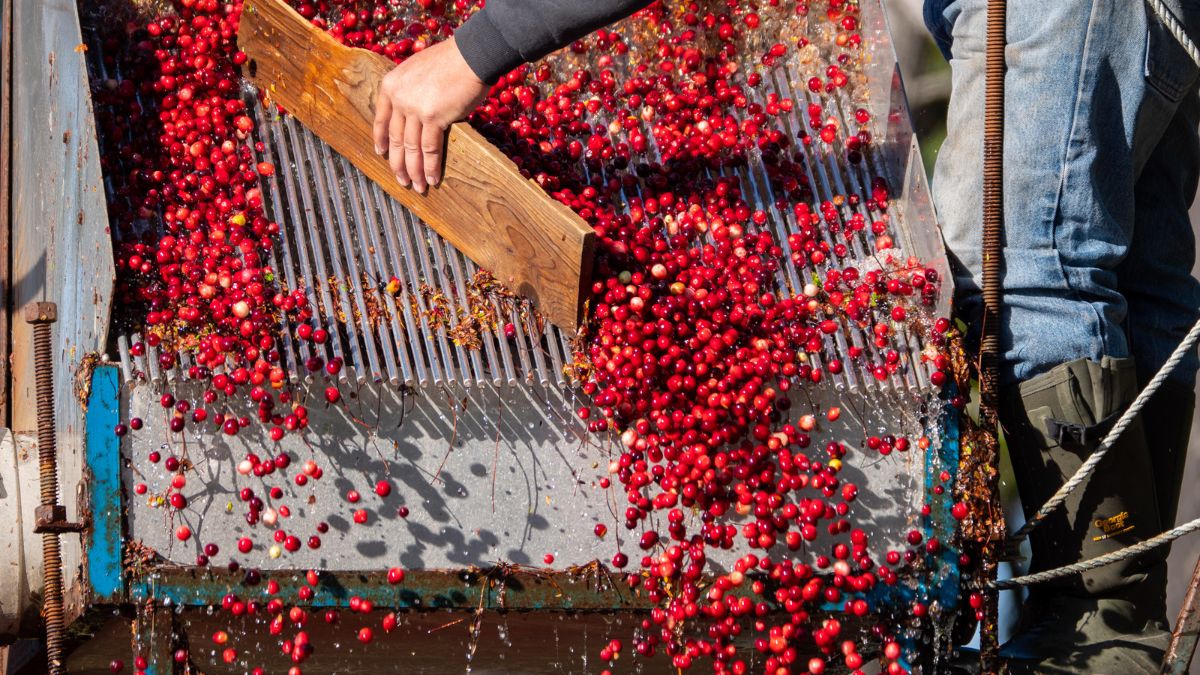
Wet harvesting. Growers flood the bog, then use a machine to loosen the ripe berries from their vines. Small air pockets inside each cranberry help it float to the surface. Growers then draw floating barriers, called booms, around the berries to gather them for collection. Much of this crop goes into juice, sauces, and dried cranberries.
Dry harvesting. The bog stays dry while a mechanical picker combs the berries from the vines. These cranberries are sorted and packaged for the fresh market. If you buy a bag of whole berries for baking or homemade sauce, you’re likely bringing home part of a dry harvest.
A Brief History of Cranberry Farming on Cape Cod
Long before the first commercial bogs, Wampanoag people gathered wild cranberries in southeastern Massachusetts. They ate the berries fresh, dried some for later use, and used them in traditional medicine.
Commercial cranberry farming took root on Cape Cod in 1816. In Dennis, Henry Hall noticed that wild cranberry vines grew better where wind had blown sand over them. He began transplanting vines and spreading sand over his bogs. Other growers soon adopted the practice.
By the late 1800s, Barnstable and Plymouth counties had become major cranberry-growing areas. As the industry grew, so did the need for skilled workers. Immigrants from Cape Verde and Finland were among those who helped bring in the harvest. You can read more about the people and practices behind the crop in this history of cranberry growing in Massachusetts.
From the Bog to the Thanksgiving Table
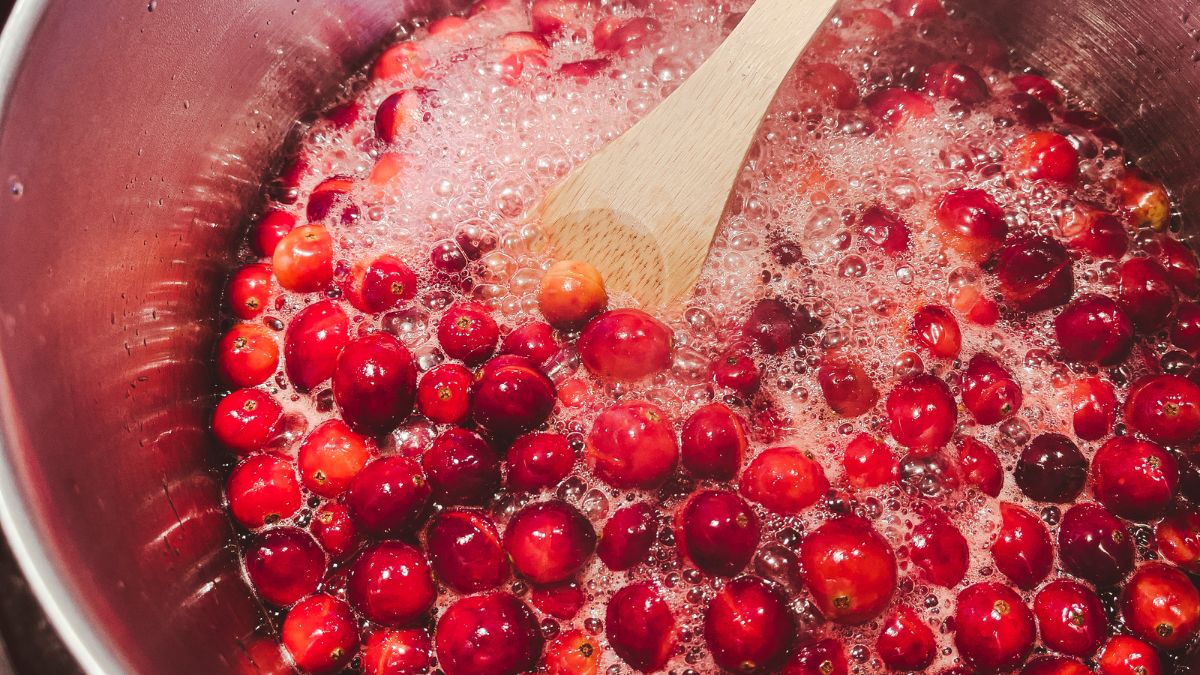
For many households, cranberries are synonymous with Thanksgiving. A bag of local berries might become the sauce everyone expects at dinner or a loaf of cranberry bread to share the next morning.
If you’re buying fresh cranberries, look for firm, brightly colored berries. Keep them refrigerated until you’re ready to use them, following the storage directions on the package. Cranberries also freeze well, so you can set some aside for muffins, quick breads, or a winter batch of sauce.
Experience a Cape Cod Fall Tradition
One of the pleasures of visiting a cranberry farm is how it changes the way you see a place you may have passed for years. The next time you cross the Rail Trail in Harwich or drive past the bogs in West Yarmouth, you’ll know a little more about what’s growing there.
For more outings to enjoy throughout the year, explore our Massachusetts Bucket List. And if a favorite fall stop has you curious about the town around it, get to know Cape Cod’s communities with Berkshire Hathaway HomeServices Robert Paul Properties.