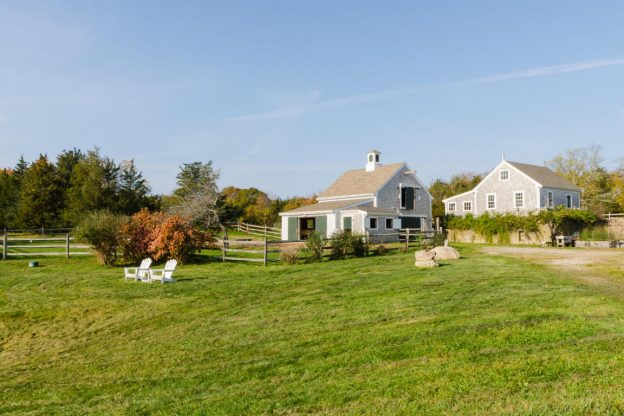
Cape Cod is celebrated for its shoreline and historic villages, but true equestrian properties are far less common than many buyers assume. Large parcels with barns, paddocks, and appropriate agricultural zoning do occasionally come to market, though inventory is typically limited and highly competitive.
For buyers searching for horse-friendly property on Cape Cod, understanding zoning regulations, acreage requirements, and where larger parcels still exist is essential.
Cape Cod Equestrian Properties and Acreage Homes
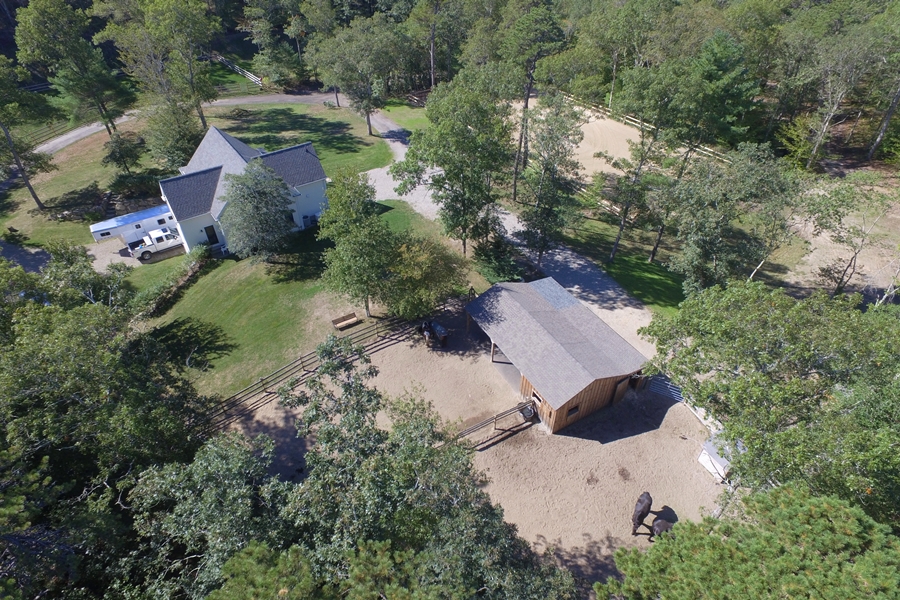
Buyers searching for horse farms often use broader terms such as equestrian properties, acreage homes, or homes with land. On Cape Cod, these typically refer to properties with two or more acres, agricultural zoning, or existing barn structures.
While true turnkey equestrian estates are rare, homes with sufficient land for horses may occasionally become available, particularly in inland villages where larger parcels remain.
Why Horse Properties Are Rare on Cape Cod
Equestrian estates are limited on Cape Cod for several structural reasons:
- Coastal subdivision trends over the past two decades
- Conservation restrictions and protected open space
- Agricultural zoning that varies from town to town
- High land values that make large parcels uncommon
- Former farms transitioning to residential estates
Inland villages such as West Barnstable, Sandwich, Falmouth, and Mashpee are more likely to offer larger residential parcels compared to Cape Cod’s more densely developed waterfront communities.
What Qualifies as a “Horse Property”
Not every 2-acre parcel can legally support horses.
Before purchasing, buyers should confirm:
- Minimum acreage requirements
- Zoning designation (Residential vs Agricultural)
- Barn placement and setback rules
- Waste management compliance
- Access to trails or open land
Because regulations vary by municipality, working with a local real estate professional familiar with town-specific requirements can help avoid costly surprises.
Where Buyers May Find More Inventory
When Cape inventory is limited, buyers often expand their search to:
- The South Coast of Massachusetts, where larger rural parcels occasionally become available. Explore current South Coast property listings.
- Select Greater Boston equestrian communities with established farm estates and acreage properties. View Greater Boston equestrian estates and farm homes.
These areas may offer larger contiguous parcels and more flexible agricultural zoning while remaining within reach of Cape Cod. Buyers seeking true equestrian-ready estates — with established barns, riding arenas, and dedicated pasture — are more likely to find suitable options in these inland communities than along Cape Cod’s more densely developed shoreline. 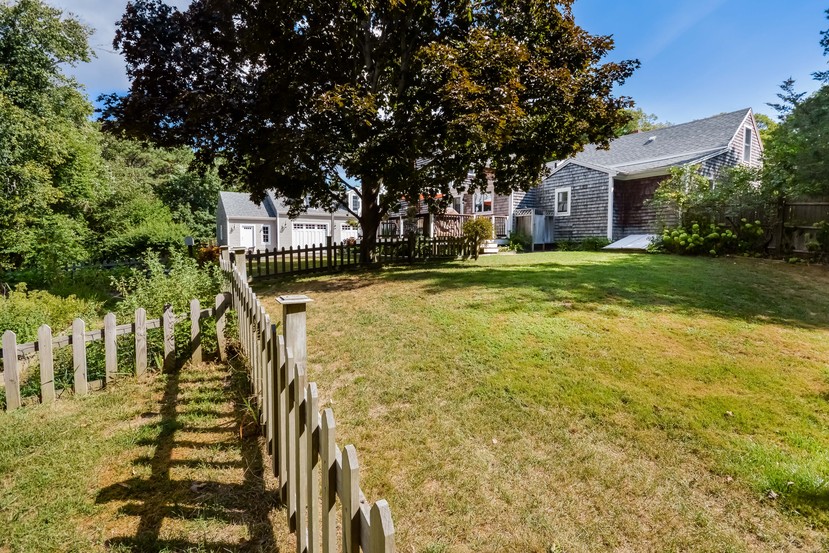
Working With a Local Expert
If you’re exploring equestrian property on Cape Cod or nearby communities, our team can provide insight into zoning, acreage availability, and current market conditions.
Frequently Asked Questions
Are horse farms common on Cape Cod?
No. Due to subdivision patterns, conservation restrictions, and high land values, true equestrian properties are limited.
What towns on Cape Cod allow horses?
Regulations vary by municipality. Barnstable, Sandwich, Falmouth, and Mashpee may offer more acreage in certain areas, but zoning requirements differ.
How much land is needed to keep horses in Massachusetts?
Some municipalities may require approximately one to two acres per horse, depending on zoning designation and overlay districts. Buyers should confirm regulations with local planning departments before purchasing.
Are there acreage homes available on Cape Cod?
While large tracts of land are limited, some inland properties offer two or more acres suitable for gardens, small livestock, or potential equestrian use, depending on zoning.