

A Guide to Shoveling for Cape Cod, South Coast, and Boston Homeowners
Winter in New England brings beautiful snow-covered landscapes, but it also brings the physical demands of shoveling snow and clearing ice. Whether you live on Cape Cod, along the South Coast, or in the Boston area, snow removal is a reality of winter life. While it may seem routine, shoveling snow is strenuous work and can pose serious health risks if not done properly.
Before you grab the shovel, here’s what you should know to stay safe while clearing snow and ice this winter.
Understand the Health Risks of Shoveling Snow
Snow shoveling is considered heavy physical labor. According to the Mayo Clinic, the combination of cold temperatures and intense exertion can put added strain on your heart. If you have a history of heart disease, or haven’t been physically active recently, it’s wise to consult your physician before taking on heavy snow removal.
Cold weather can also increase blood pressure and make your heart work harder, which is especially important to consider during long New England winters.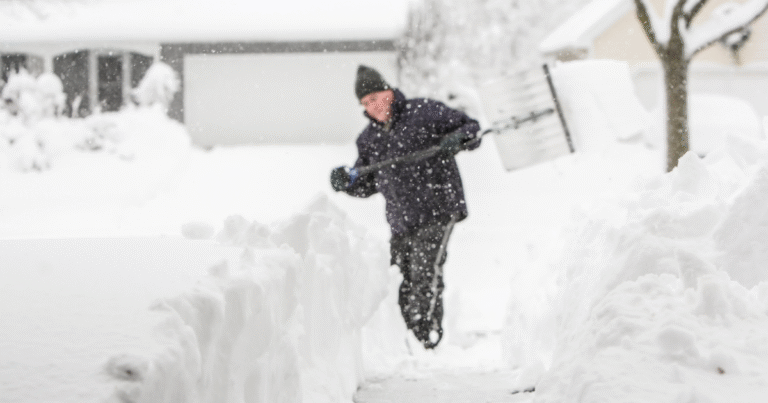
Prepare Your Body Before You Start
Before heading outside, take a few minutes to prepare your body:
- Stretch your arms, shoulders, back, and legs to help prevent muscle strains and joint injuries.
- Hydrate before and after shoveling, even if you don’t feel thirsty. Water or a sports drink can help prevent dehydration.
- Dress in warm layers that allow movement. Insulated gloves, waterproof boots with traction, and a hat are essential to prevent frostbite and slips on ice.
These small steps can make a big difference, especially during colder, windier storms common on Cape Cod and coastal Massachusetts.
Shovel Smarter to Stay Safe This Winter
Timing and technique matter when it comes to snow removal:
- Start shoveling early, ideally when snowfall reaches 2–4 inches. Lighter, fresh snow is much easier to move than packed or icy snow.
- Use proper posture: keep your back straight and bend at the knees.
- Push snow whenever possible instead of lifting it.
- If lifting is necessary, fill your shovel only ¼ to ½ full—especially important when snow is wet and heavy, which is common near the coast.
- Hold your lifting hand close to the blade and lift with your legs, not your back.
- Avoid twisting your torso when tossing snow; instead, turn your whole body to prevent back injuries.
Choosing the right shovel matters too. A wider shovel may move more snow, but it also adds extra weight and strain.
Take Breaks and Know When to Stop
It’s easy to underestimate how tiring snow shoveling can be, particularly during long storms in Boston or heavy, wet snowfalls on the South Coast. Listen to your body:
- Take frequent breaks
- Pace yourself
- Stop immediately if you feel chest pain, dizziness, or shortness of breath
There’s no harm in stepping inside, warming up, and finishing later—or even calling in professional help during major storms.
And honestly, after a job well done, a warm drink by the fire doesn’t sound like a bad idea at all.
Stay Safe All Winter Long
Snow shoveling is part of winter life in Massachusetts, but it doesn’t have to be dangerous. By preparing properly, using safe techniques, and respecting your limits, you can protect your health while keeping your property safe and accessible all season long.
Whether you’re facing a Nor’easter on Cape Cod, icy sidewalks on the South Coast, or a heavy snowfall in Boston, a little planning goes a long way toward a safer New England winter. ❄