Spring in Massachusetts always feels like a reset. As the soil warms and gardens begin to wake up, choosing the best plants for Massachusetts gardens becomes the key to long-term success.
With a climate that can shift from warm sunshine to late-season cold snaps, successful gardening here isn’t just about timing—it’s about choosing plants suited to New England conditions.
Whether you’re planting along the coast, in suburban beds, or in a city garden, there are reliable plants that consistently thrive across Massachusetts—along with a few simple steps that set your garden up for success year after year.
Spring Garden Prep Tips for Massachusetts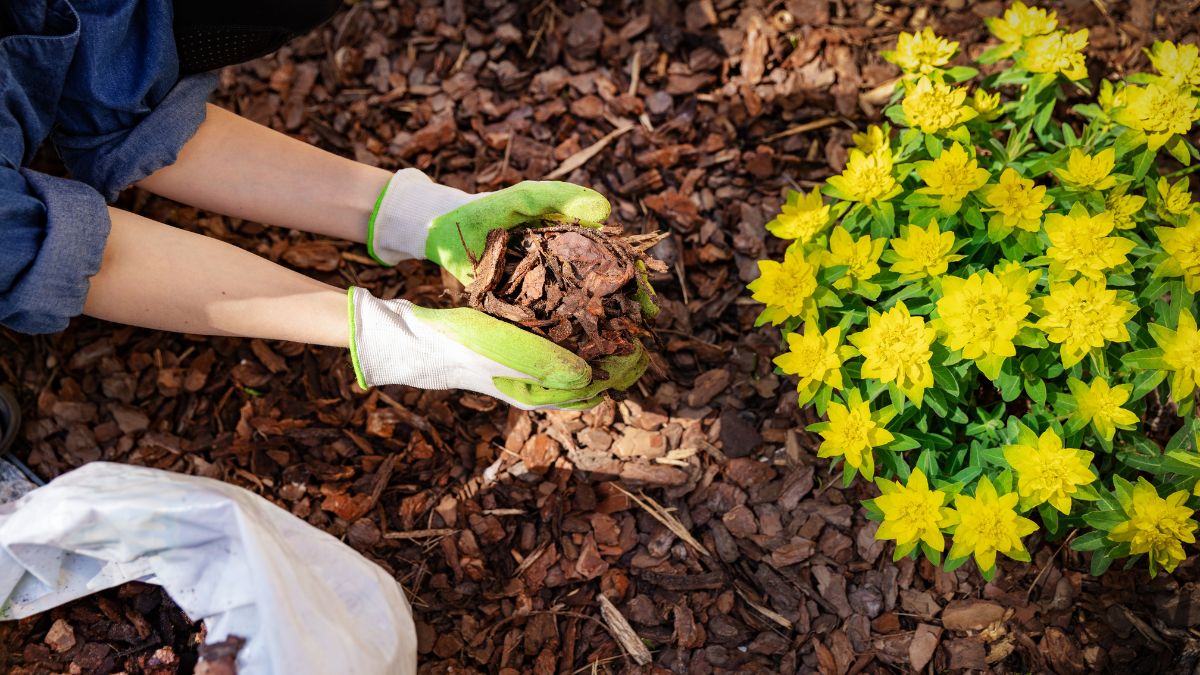
Before planting anything, a little groundwork goes a long way.
Clean and clear your garden beds
Remove leaves, dead stems, and leftover debris from winter. This helps reduce pests and gives new growth space to come through.
Refresh your soil
Massachusetts soil varies widely, but most gardens benefit from a seasonal boost of compost or organic matter. This improves drainage and adds nutrients that support strong root growth.
Check your timing zone
Most coastal Massachusetts gardens fall within USDA zones 6–7, depending on location and exposure, so frost dates vary by region. Coastal areas warm up sooner, while inland gardens often need a bit more patience before planting warm-season flowers.
Add mulch early
Mulch plays a key role in garden health—helping retain moisture, regulate soil temperature, suppress weeds, and gradually improve soil structure as it breaks down.
Best Plants for Massachusetts Gardens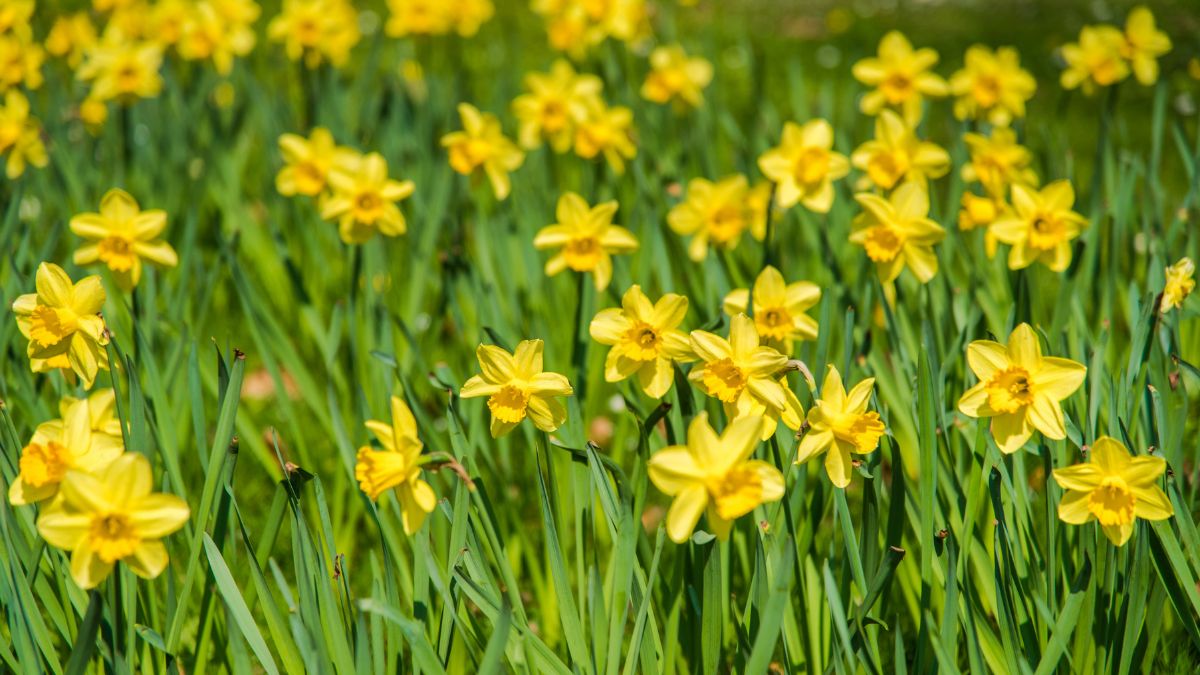
These are some of the best plants for Massachusetts gardens—dependable across most regions and returning year after year with minimal fuss.
- Daffodils & Tulips: Classic spring bulbs that perform reliably in colder climates. Planted in the fall, they’re one of the first signs that winter is over. Daffodils naturalize easily and multiply over time, while tulips may need to be replanted every few years to keep blooms looking their best.
- Peonies: Long-living perennials that thrive in Massachusetts’ seasonal shifts. Once established, they come back every year with full, showy blooms in late spring.
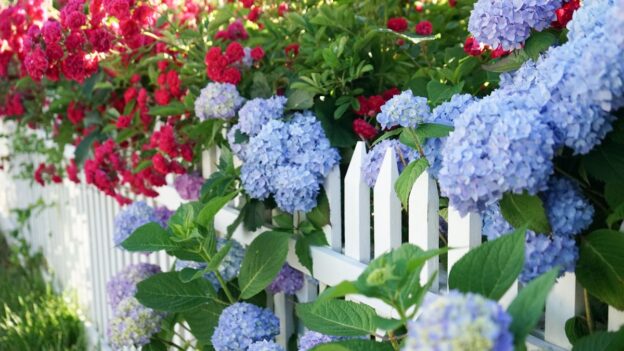
- Hydrangeas: A signature plant of New England landscapes. Hydrangeas do especially well in coastal and suburban areas, producing lush blooms throughout the summer.
- Black-Eyed Susans: Hardy, bright, and low-maintenance. These thrive in full sun and bring strong summer color to garden beds.
- Lilacs: A New England favorite. Lilacs are built for colder winters and reward you with fragrant blooms every late spring.
- Hostas: One of the most reliable shade plants. Hostas are ideal for under trees or shaded corners and come back stronger each year.
- Coneflowers (Echinacea): Drought-tolerant and pollinator-friendly, coneflowers handle Massachusetts summers with ease and add long-lasting color.
- Daylilies: Extremely adaptable and low maintenance. They spread over time and provide consistent summer blooms in most garden conditions.
- Rhododendrons: A New England landscape staple. They handle coastal conditions well, prefer slightly acidic soil — which Massachusetts coastal areas tend to naturally provide — and reward you with bold blooms in late spring.
Best Coastal Plants for Massachusetts Gardens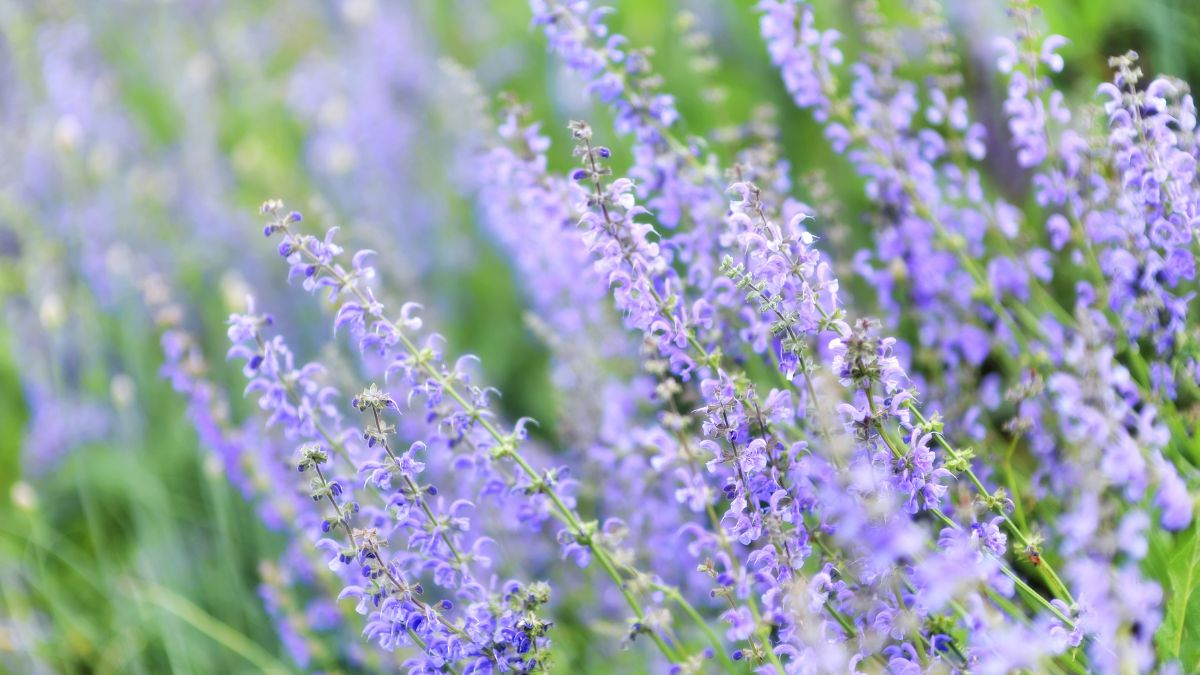
If you’re gardening near the coast, the salt air and sandy soil actually support certain plants better than others:
- Hydrangeas
- Rugosa roses
- Lavender
- Ornamental grasses
- Bayberry shrubs
These varieties handle wind, salt exposure, and shifting temperatures better than more delicate plants.
Massachusetts Gardening Tips for Success
A successful garden here isn’t just about what you plant—it’s about how you maintain it through the season.
- Wait for consistent warmth before planting annuals like petunias, zinnias, and impatiens
- Layer plantings so something is always in bloom from spring through fall
- Water deeply rather than frequently to encourage strong root systems—though newly planted perennials will need more regular watering at first.
- Choose native or adapted plants whenever possible—they’ll handle weather swings better
- Don’t overplant early; Massachusetts springs can still surprise you with cold nights
How to Build a Garden That Thrives Year-Round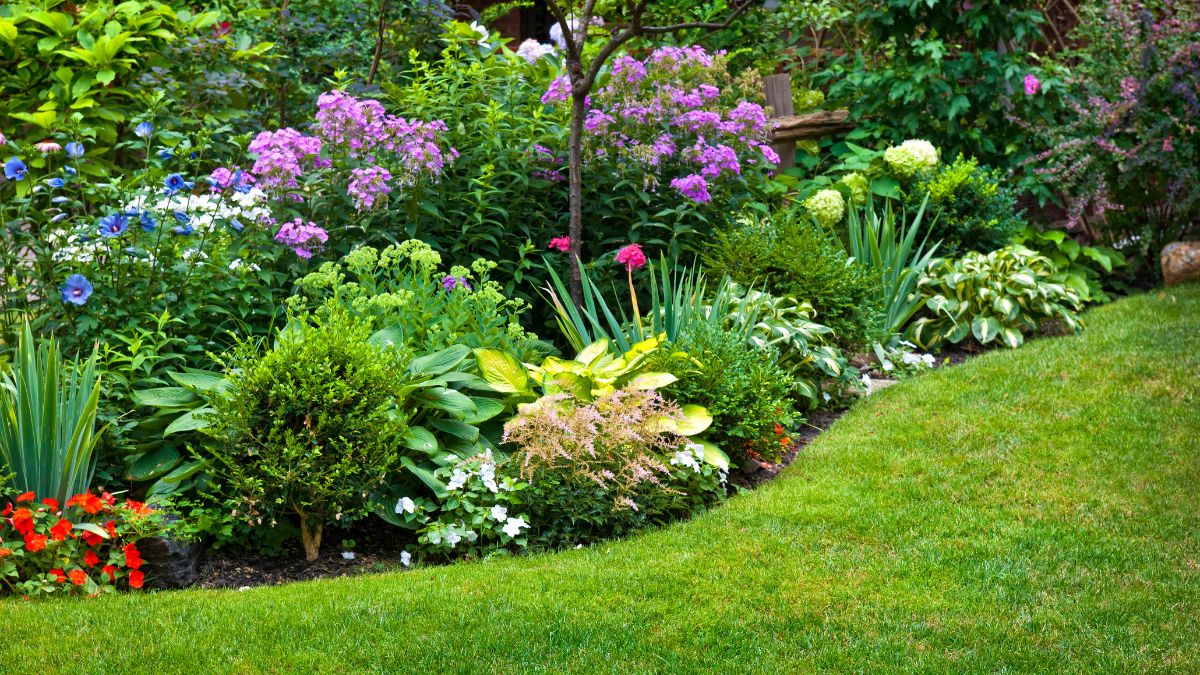
The best Massachusetts gardens aren’t built in a day—they evolve with the seasons. Spring is about preparation and strong foundational planting. Summer brings fullness and color, while fall extends the beauty before everything resets again.
When you choose plants that are naturally suited to this climate, gardening becomes less about fighting the weather and more about working with it.
Thoughtful landscaping doesn’t just enhance your outdoor space—it can also increase your home’s value over time, especially when plantings are well-maintained and suited to the local climate.
When you focus on the best plants for Massachusetts gardens and work with the seasons, your landscape becomes easier to maintain—and more beautiful with each passing year.